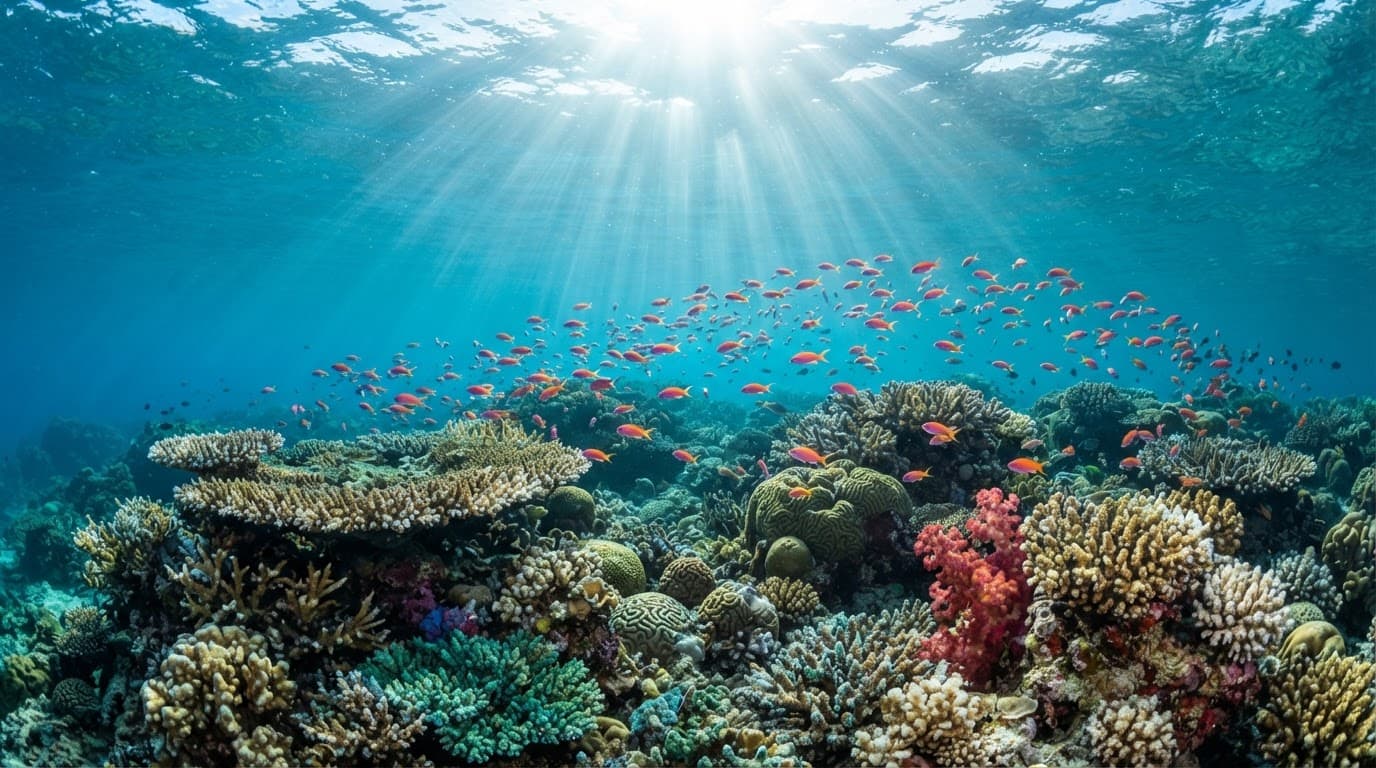
Everything you need to know before your first dive
No account, no course purchase — just the basics every diver should understand, in plain language.
From your first breath underwater to leading others
Dive independently with a buddy to 18m. The entry point into recreational diving.
Five adventure dives including deep and navigation, cert extends to 30m.
Learn to prevent and manage problems in the water — for yourself and others.
The first professional rating. Lead certified divers, assist instructors.
Teach and certify new divers. Requires an Instructor Development Course (IDC).
The rules that keep diving low-risk
The buddy system exists because problems underwater are far easier to solve with help nearby.
No faster than 18m/min (about the speed of your smallest bubbles) to avoid decompression sickness.
3 minutes at 5m on every dive below 10m gives excess nitrogen time to off-gas safely.
Track depth and time (dive computer or tables) and stay within your no-deco limit — see our dive planner.
Wait at least 18 hours after diving before flying to avoid decompression sickness at altitude.
Depth, overhead environments, and conditions should always match your certification level and experience.
What each piece of kit actually does
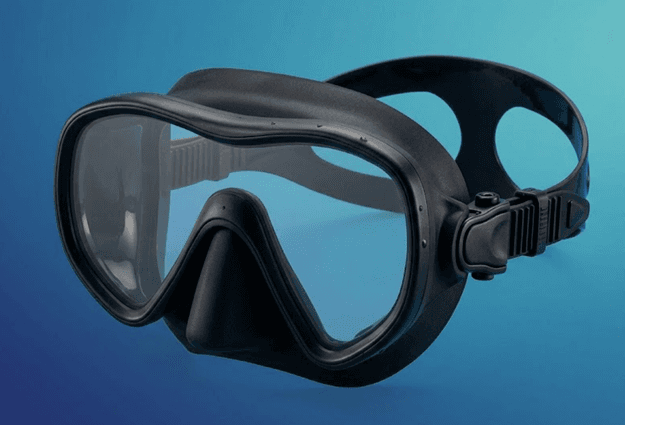
Creates an air pocket so your eyes can focus underwater. Fit is everything — test the seal before buying.
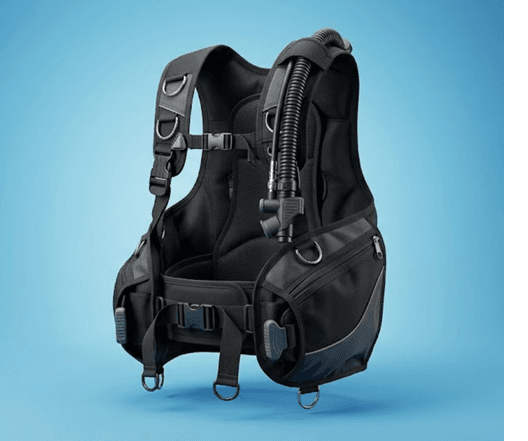
Buoyancy Control Device — an inflatable vest that lets you hover, ascend and descend with control.
Delivers air from your tank at ambient pressure so you can breathe normally at any depth.
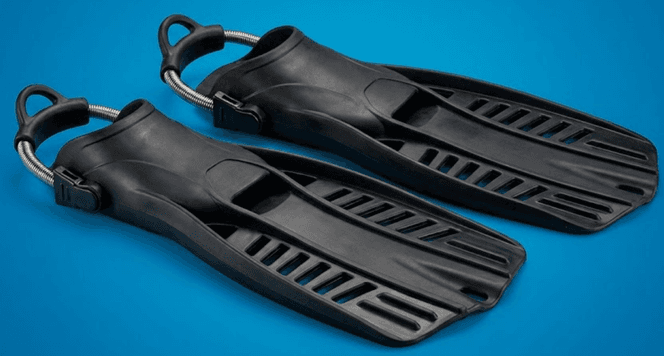
Convert leg movement into efficient propulsion — stiffer blades suit current, softer ones suit reef diving.
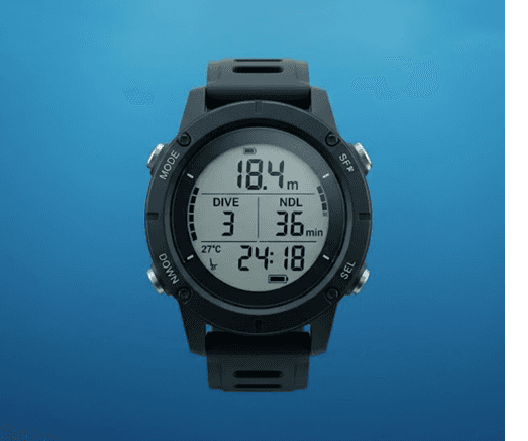
Tracks depth, time and nitrogen loading in real time, replacing manual dive tables.
Wetsuit or drysuit — keeps you warm. Thickness depends on water temperature, not just personal preference.
Diver's vocabulary
- Buoyancy
- Your tendency to float, sink, or hover — controlled with your BCD and breathing.
- Nitrogen narcosis
- A reversible, intoxication-like effect of breathing compressed nitrogen at depth, usually beyond 30m.
- Decompression sickness (DCS)
- "The bends" — nitrogen bubbles forming in tissue after surfacing too fast or exceeding no-deco limits.
- No-decompression limit (NDL)
- The maximum time you can spend at a given depth before needing mandatory decompression stops.
- Buddy check
- A pre-dive equipment check performed with your dive partner — BCD, weights, releases, air.
- Wreck diving
- Diving on sunken ships or aircraft — often requires specialty training for penetration.
- Drift diving
- Diving with a current rather than against it, typically from a boat that follows your bubbles.
- Nitrox (EANx)
- Enriched air with more oxygen and less nitrogen than normal air, extending no-deco limits.
- Neutral buoyancy
- Neither sinking nor floating — the skill that separates comfortable divers from tiring ones.
- Surface interval
- Time spent out of the water between dives, allowing absorbed nitrogen to off-gas.
Questions every beginner asks
Do I need to know how to swim?
Yes — PADI Open Water certification requires a basic swim test (usually 200m, no time limit, any style) and treading water for 10 minutes.
Is scuba diving safe?
With proper training and by following the rules — buddy diving, ascent rates, dive limits — scuba is a low-risk activity. Most incidents trace back to a rule being skipped.
What's the minimum age to get certified?
PADI Junior Open Water starts at age 10 (with depth restrictions), standard Open Water certification from age 15.
How deep can I dive as a beginner?
Open Water certification limits you to 18m. Advanced Open Water extends that to 30m, the recreational limit for most agencies.
Do I need my own gear to start?
No — most dive shops rent full kit for courses and casual dives. Many divers only start buying gear (mask and fins first) after certifying.
How long does certification take?
Open Water typically takes 3-4 days: eLearning theory beforehand, then confined-water and open-water dives in person.